
On this page
Identify the Cockroach
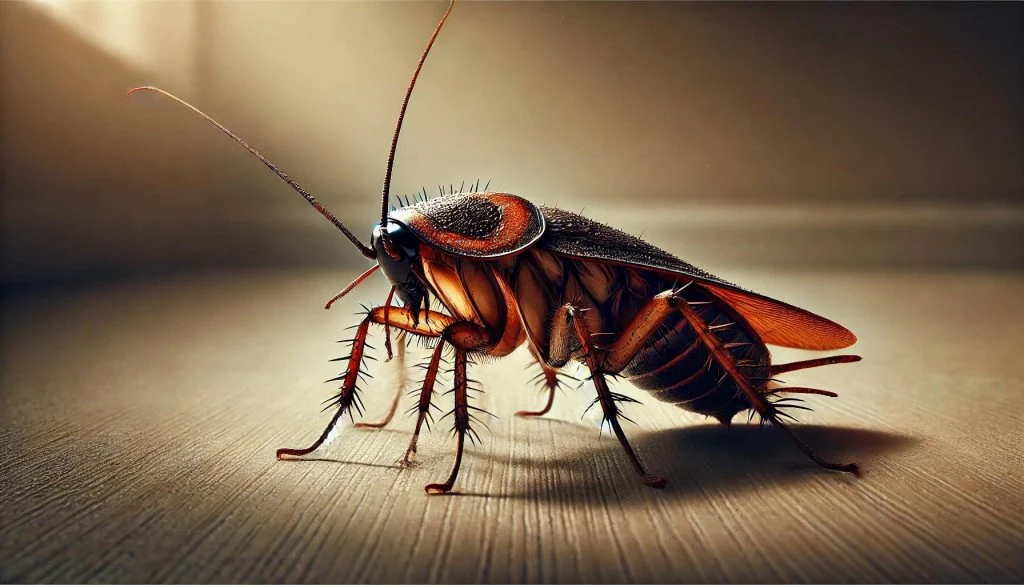
Take a clear photo if possible. The species can give clues about likely hiding places and whether it is associated with indoor activity. Compare its features in our guide to cockroach species found in the UK.
What Are the Signs of a Cockroach Infestation?
While spotting a single cockroach might not be an immediate red flag, other tell-tale signs can indicate a full-blown infestation is brewing:
- Visible sightings: Frequent sightings of cockroaches suggest a well-established population. These pests are nocturnal, so you’re dealing with a serious population if the encounters happen during daylight hours.
- Dead insects and shells: Finding dead cockroaches or shed exoskeletons clearly indicates an active infestation.
- Cockroach droppings: Look for small, dark brown or black droppings resembling pepper granules, often found near food sources or hidden crevices.
- Musty odour: Cockroaches emit a distinct, musty odour that becomes stronger with a larger infestation. This smell is produced by pheromones, chemicals these pests use to communicate.
- Egg casings: Brown, capsule-shaped egg casings indicate a breeding population requiring immediate action.
Factors Contributing to Cockroach Infestation
The conditions below help explain what attracts cockroaches indoors:
- Environment: Warm, humid environments, particularly kitchens and bathrooms, provide ideal breeding grounds for cockroaches.
- Food: Cockroaches are scavengers, feeding on crumbs, spills, and even pet food. Leaving food scraps lying around or keeping dirty dishes piled up is an open invitation for a cockroach feast.
- Shelter: Cracks in walls, gaps around pipes, behind appliances, and cluttered areas provide ideal hiding spots for cockroaches. An untidy home provides ample opportunities for them to stay out of sight.
- Water: Leaking pipes, overflowing drains, and condensation contribute to a cockroach-friendly environment, allowing them to thrive and survive. Moisture can also be a factor for ants. See what attracts ants indoors.
- Next-door infestation: Living in an flat building or a terraced house means you share walls with your neighbours – and potentially their uninvited guests. If a neighbouring unit has a cockroach infestation, it’s easy for these pests to migrate into your home.

Preventative Measures Against Cockroach Infestation
The best defence against a cockroach infestation is a proactive approach. Here are some measures you can take to keep these creepy crawlies at bay:
- Maintain a clean home: Regularly clean your kitchen and bathroom, paying close attention to areas around food prep surfaces, appliances, and behind sinks. Don’t leave dirty dishes piled up, and wipe down spills immediately.
- Store food properly: Seal food in airtight containers and avoid leaving leftovers overnight.
- Seal all entry points: Check your home for cracks in walls, gaps around pipes, and openings around doors and windows. Seal these entry points with caulk or sealant to prevent cockroaches from entering.
- Fix leaks: Address any leaking pipes or faucets promptly. Cockroaches need access to water, and eliminating standing water sources makes your home less appealing to these pests.
- Pet care: Keep pet food in airtight containers and well-maintained pet areas. Cockroaches will eat what they find in your cat’s litter box, so make sure to empty it regularly.
- Mind what you bring in: Inspect used furniture, cardboard boxes, packages, and other deliveries carefully before bringing them inside, as they might harbour cockroach eggs or adult insects.
When to Get Professional Help
Repeated sightings, young cockroaches or several signs in the same area warrant a closer look. Share a photo, the room and time of the sighting, and tell us if it has happened before. See our cockroach treatment in London for treatment options.
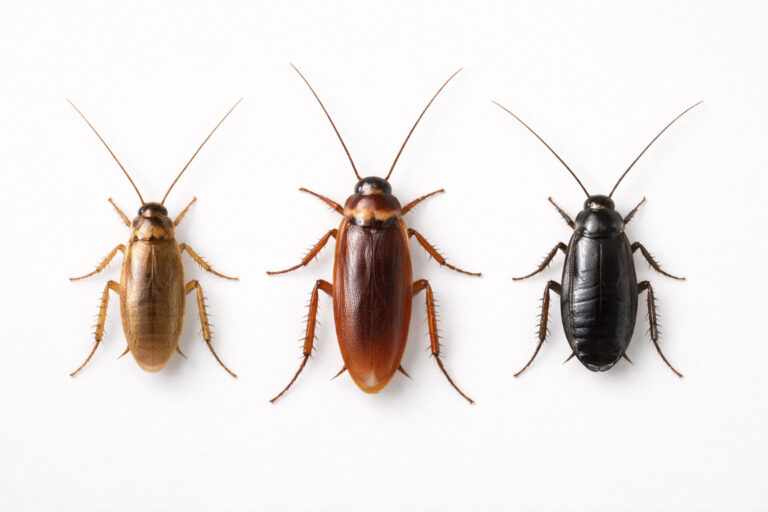 Types of Cockroaches
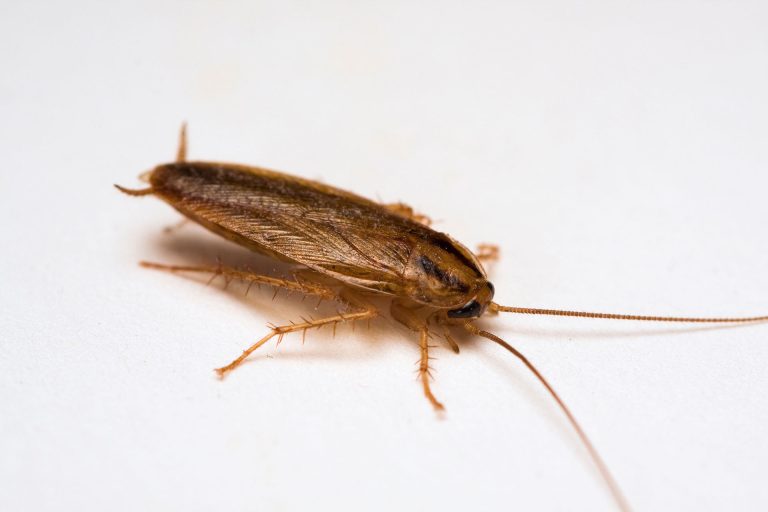 Can Cockroaches Come From My Neighbours and How to Solve This?
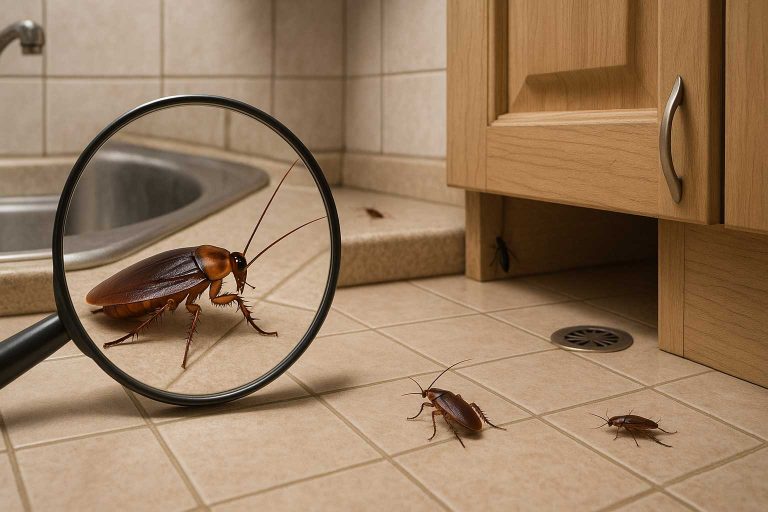 All you need to know about cockroaches